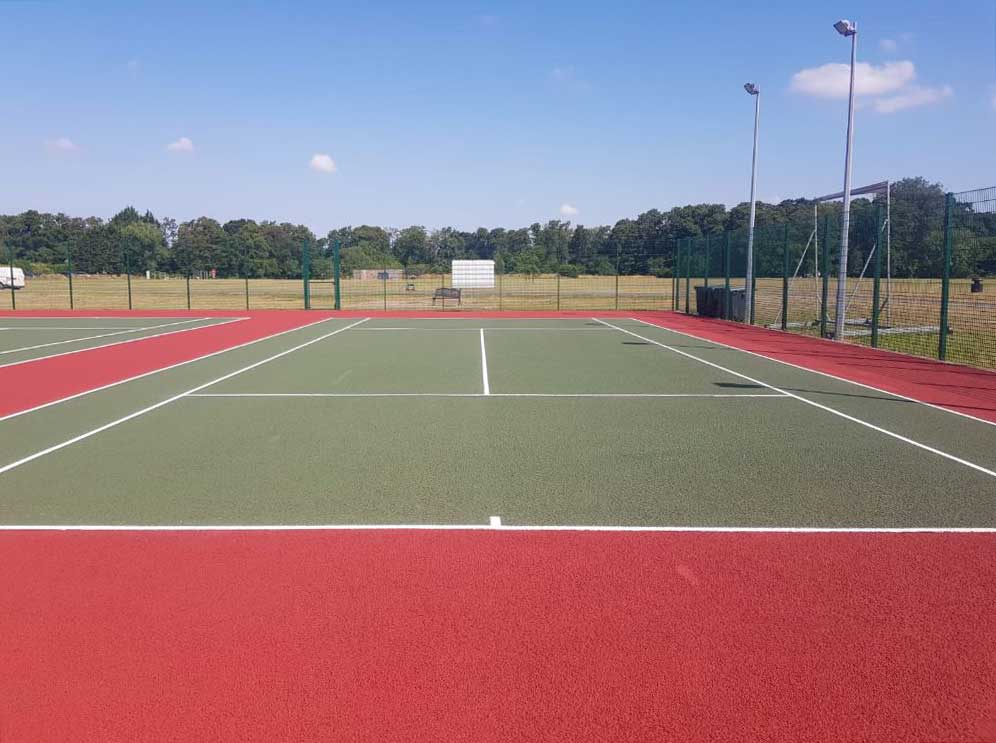
Commercial fencing installation often proceeds without planning permission, but a few common triggers can quickly change that. A warehouse may upgrade perimeter security only to discover later that the new fence violates height limits or is located where consent is required. That kind of setback can lead to enforcement action, costly alterations, and disruption on an active site.
For businesses, schools, and industrial premises, the key is knowing what to check before work starts. Planning requirements typically depend on:
- Fence height
- Whether the boundary faces a public highway
- Whether local restrictions apply to the site
Remember, minor changes to position or height can affect the outcome. This article outlines the main rules and limits for installing commercial fencing. It explains when permitted development applies and offers easy checks and clear choices to help you avoid compliance problems.
When Commercial Fencing Can Go Ahead Without Planning Permission
Commercial fencing installation is usually permitted development if it meets the Planning Portal conditions for fences, walls, and gates. For example, you can put up or change a fence without planning permission. This is true if the height is within national limits and the site isn’t subject to listed status or local rules [1].
The 1 Metre & 2 Metre Height Limits That Matter Most
A fence next to a motorway used by vehicles, including the footpath alongside it, must not exceed 1 metre in height from ground level. Elsewhere on the site, a fence must not exceed 2 metres in height from ground level. If an existing fence already exceeds these limits, its height must not be increased.
These height thresholds are the main factor in determining whether planning permission is required for commercial fencing.
When Permission or Additional Consent Is Required
You will normally need to apply for planning permission if any of the following apply:
- Any part of the site is a listed building or within the curtilage of a listed building
- The boundary forms a boundary with a neighbouring listed building or its curtilage
- Permitted development rights have been removed by an Article 4 direction or a planning condition
- The fence height exceeds the 1 metre or 2 metre limits, or increases an already over-height fence
If the property is a listed building, or the fencing is within its curtilage, you may need listed building consent for works that affect the character of the heritage asset. Planning Portal guidance explains that listed building consent is a separate planning control that applies to alterations, extensions, or demolitions of listed buildings, including works affecting structures within the curtilage since 1948. Carrying out work that requires listed building consent without obtaining it beforehand is a criminal offence [2].
Local restrictions can also override national rules, particularly where an Article 4 Direction applies. Dorset Council explains that an Article 4 Direction removes specific permitted development rights, bringing work that would otherwise be allowed under planning control into planning control.
If your commercial property sits within an Article 4 area and you are proposing fencing or boundary changes that would normally fall under permitted development, you may need to apply for planning permission first. Dorset Council notes that carrying out alterations without permission in an Article 4 area can lead to enforcement action, including being required to reverse the changes at your own expense [3].
Does Security Fencing Change the Planning Rules?
Security fencing follows the same planning rules as standard commercial fencing. Local planning authorities assess fencing based on height, location, and visual impact, rather than its purpose.
Steel palisade fencing, mesh panel systems, and other security solutions are subject to the same height limits. Where security fencing sits next to a public road or footpath, the 1 metre rule applies. Taller installations along public boundaries are more likely to require permission, even on industrial or high-risk sites. This is where early design decisions matter.
In commercial settings, security fencing is often installed alongside:
- Access controls
- Vehicle routes
- Pedestrian entrances
These features can influence how planning authorities interpret boundaries, particularly near highways. Reviewing the site layout as a whole, rather than focusing solely on fence height, helps avoid unintended planning issues later.

Why Professional Installation Keeps Projects Compliant
Installing commercial fencing without the correct permission can lead to enforcement action from the local authority. Where fencing breaches height limits or fails to comply with local restrictions, councils have the power to require alterations or removal.
For active commercial sites such as schools, warehouses, and business premises, this can cause disruption, added cost, and delays to day-to-day operations. Planning authorities apply these rules consistently, even where fencing has been installed for security or safety reasons.
The most effective way to reduce this risk is to confirm whether permitted development rights apply before work begins, particularly where boundaries face public highways or where local restrictions are known to exist.
Get Clear Advice Before You Build
Planning permission for commercial fencing installation usually comes down to three checks:
- Fence height against the 1m and 2m limits
- Whether the boundary sits next to a highway or a footpath
- Whether local restrictions apply, including listed status or Article 4
Confirm these early, and most projects can move ahead without delay or redesign.
Fletchamoore delivers compliant fencing for warehouses, schools, and industrial premises. You can see real examples for yourself over on our Case Studies page.
Call 01202 624900 or arrange a consultation to discuss your site and get clear advice on permission, layout, and a compliant installation plan.
External Sources
- Planning Portal, “conditions for fences, walls, and gates”
- Planning Portal, “listed building consent is a separate planning control
- Dorset Council, “Article 4 area”