
New turf laid at the wrong time of year is a frustrating waste of effort. It dries out before it roots, demands constant watering through summer, and often arrives at autumn looking thin, despite the time and cost spent. Get the timing right, establish new grass roots quickly, settle over winter, and arrive in spring ready for use.
Autumn gives turf the conditions it needs. Workable ground, reliable moisture, and slower grass growth that lets roots anchor without the pressure of regular mowing. For homeowners considering turfing services in Dorset, timing the installation correctly is the difference between a lawn that thrives and one that struggles.
Here’s what the calendar looks like, season by season.
Autumn Is the Best Time to Lay Turf & Here's Why
Autumn offers the best conditions for establishing new turf. The Royal Horticultural Society (RHS) advises that turf is best laid in mid-autumn and can be laid any time from mid-autumn through to early spring, provided the ground is neither too wet nor frozen [1].
In Dorset, that window aligns well with the county’s mild south-coast climate. Soil holds warmth into October, and autumn rainfall handles much of the early watering for you.
The RHS also notes that little mowing is needed in autumn, meaning newly laid turf can be left largely undisturbed for several weeks while roots anchor. A lawn laid in September or October arrives at spring in far better shape than one put down in a hurry the previous summer.
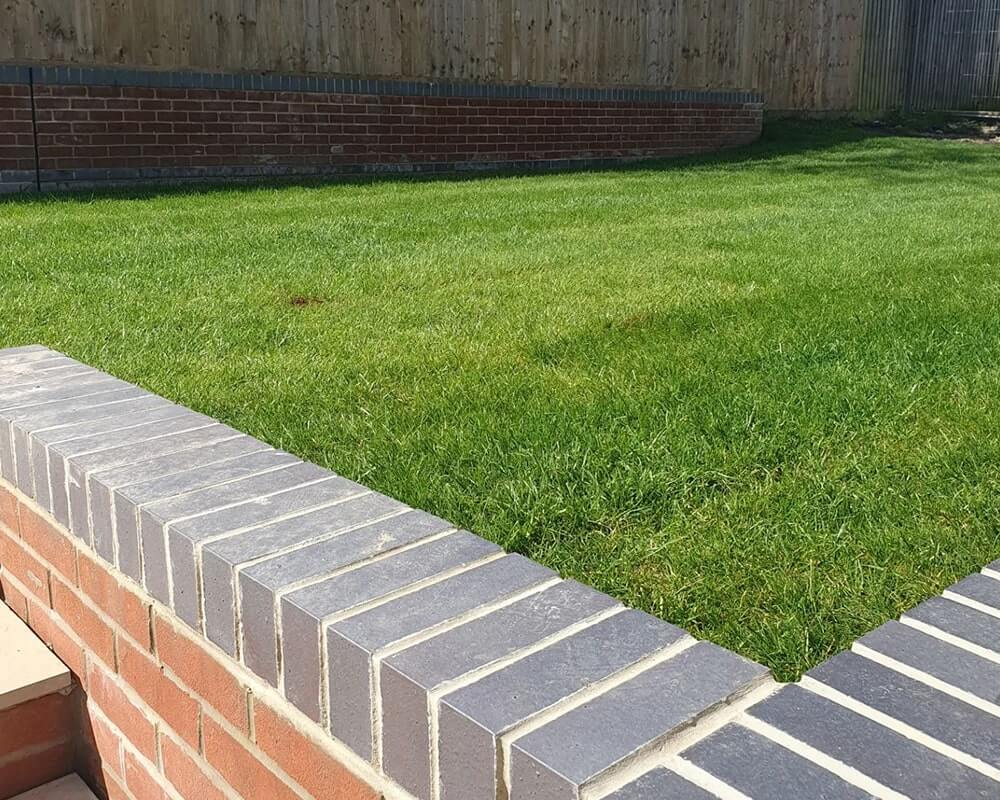
That’s exactly what happened on a recent project in Ferndown, where new turf was laid as part of a front garden transformation. A level, green finish that bedded in without the intensive aftercare a summer installation would have demanded.
Why September & October Give New Turf Its Best Start
September and October are the most reliable windows for turf installation. Grass growth has slowed, so newly laid turf faces no immediate pressure from mowing. The ground is still workable after summer, and weed pressure is lower than at any other point in the growing season [2].
In Dorset, those conditions hold into early November in most years. That said, the earlier turf goes down, the longer the roots have before winter sets in, and the stronger the lawn will be come spring.
The autumn window suits:
- Reduced watering demands compared to summer installation.
- Slower grass growth, giving roots time to anchor before regular mowing resumes.
- Workable ground that is straightforward to prepare and level.
What Happens to New Turf Once It's Down in Autumn
New turf in autumn asks relatively little of you. The RHS guidance on repairing and returfing confirms that spring and autumn are the ideal times, when conditions are damp and cool, and recovery is most likely [3].
Water the turf thoroughly straight after laying and keep it moist through the first couple of weeks. After that, Dorset’s October and November rainfall handles most of the aftercare. The tug test, gently pulling the grass to check it does not lift, tells you when the roots have anchored. A light mow with blades set high is all that’s needed before the lawn goes quiet for winter.
If you want to see what a finished lawn looks like before committing, our gallery has photos from recent Dorset projects.
Spring Turfing is a Solid Option If You've Missed Autumn
If autumn has passed, spring is the next best window. For many Dorset homeowners, March to April is when the idea of a new lawn moves from thought to action.
Spring works because conditions are mild and the grass is actively growing. The practical difference compared to autumn is the aftercare it demands. The RHS is clear that new lawns need regular watering in dry weather until well established, typically every seven to ten days. That commitment runs through summer. Autumn-laid turf has had all winter to develop roots before that pressure arrives [4].
Get turf down by the end of April if you can. Any later and you are working against the heat rather than with it.
Why Summer & Winter Are the Wrong Times to Lay Turf
Summer is the most tempting time to lay turf, but it’s also the most likely to go wrong. The RHS drought care guidance advises laying from September through winter until March, because autumn and winter rains help roots grow deep into the underlying soil. Those deep roots give turf the resilience to withstand summer drought. Lay in June or July, and you are asking new turf to root without that foundation [5].
Winter brings a different constraint. The RHS recommends laying only when the soil is neither too wet nor frozen, conditions that close the window for much of a typical UK winter. Mild winters in Dorset can open occasional gaps, but they are unpredictable and not worth relying on.
If you can wait for September, wait.

Time Your Turf in The Right Season
Autumn, and September in particular, is when conditions work in your favour. The ground is workable, rainfall handles the aftercare, and grass growth has slowed enough for roots to anchor properly.
Fletchamoore’s turfing service covers ground preparation, turf supply, and a professional finish that sits level and drains properly. Our team has been laying turf across Dorset since the 1960s, working with residential and commercial properties from Ferndown and Wimborne to Poole and the coast.
Call 01202 624900 or get in touch to arrange a free quote ahead of the September window.